
O Tempo Bono: Troubled Seas, and Troubled Hearts in 15th-Century Neapolitan Music and Poetry
O tempo bono is a strambotto written by the Neapolitan humanist poet Francesco Galeota. An anonymous musical setting survives in the songbook Montecassino 871, one of the most important musical sources of sacred and secular international repertoire performed at the Aragonese court of Naples in the second half of the fifteenth century.
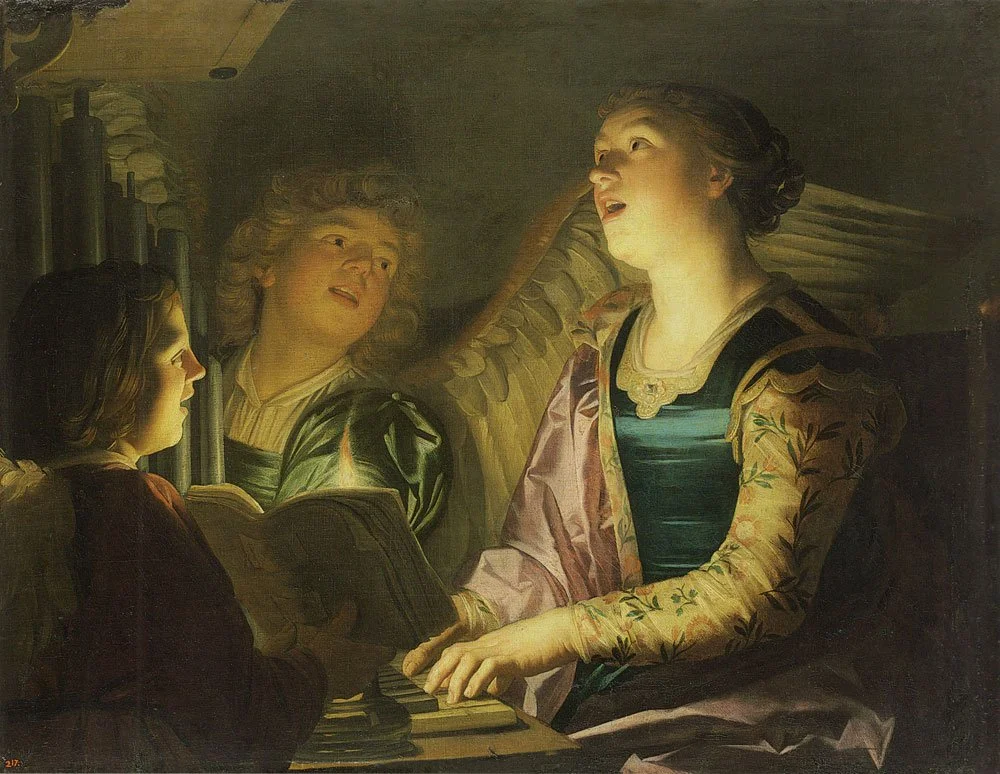
Bovicelli’s Falsobordoni Passeggiati (1594): Psalm Tones and Alternatim Practice in Early Seventeenth Century
One of the most fascinating aspects of Bovicelli’s falsobordoni passeggiati, for me, is the confluence of three distinct ages and traditions: medieval plainchant, Renaissance polyphony, and early Baroque division style.
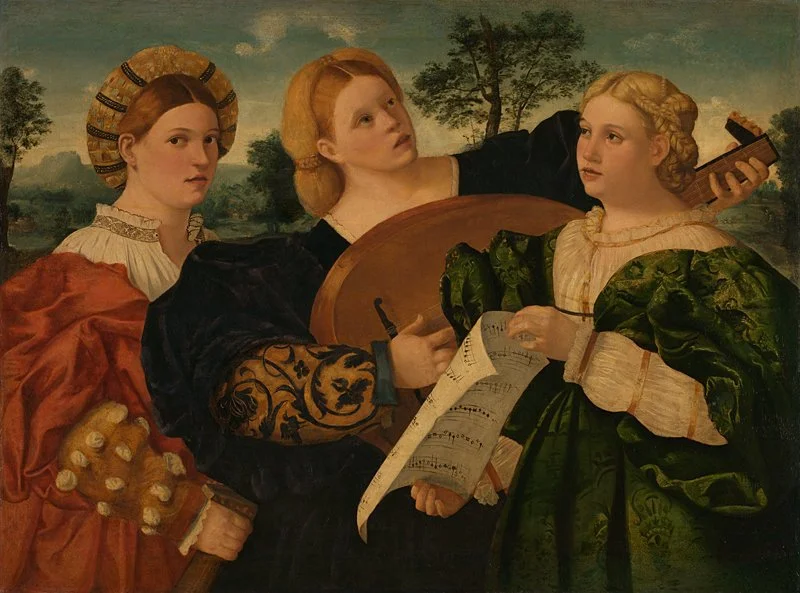
Reconstructing Luzzaschi: A Hypothetical Four-Part Version of 'Ch’io non t’ami, cor mio'
The 1601 publication of Madrigali per cantare et sonare a uno, e doi, e tre soprani by Luzzasco Luzzaschi represents a landmark in the history of Italian madrigal composition. For the sake of this reconstruction experiment, I chose to work with the assumption that the keyboard accompaniment represents indeed an intabulation of a lost four-voice madrigal. My goal was to reverse-engineer how this hypothetical original might have sounded. The first solo madrigal I chose to reconstruct in polyphonic form was Ch’io non t’ami cor mio.
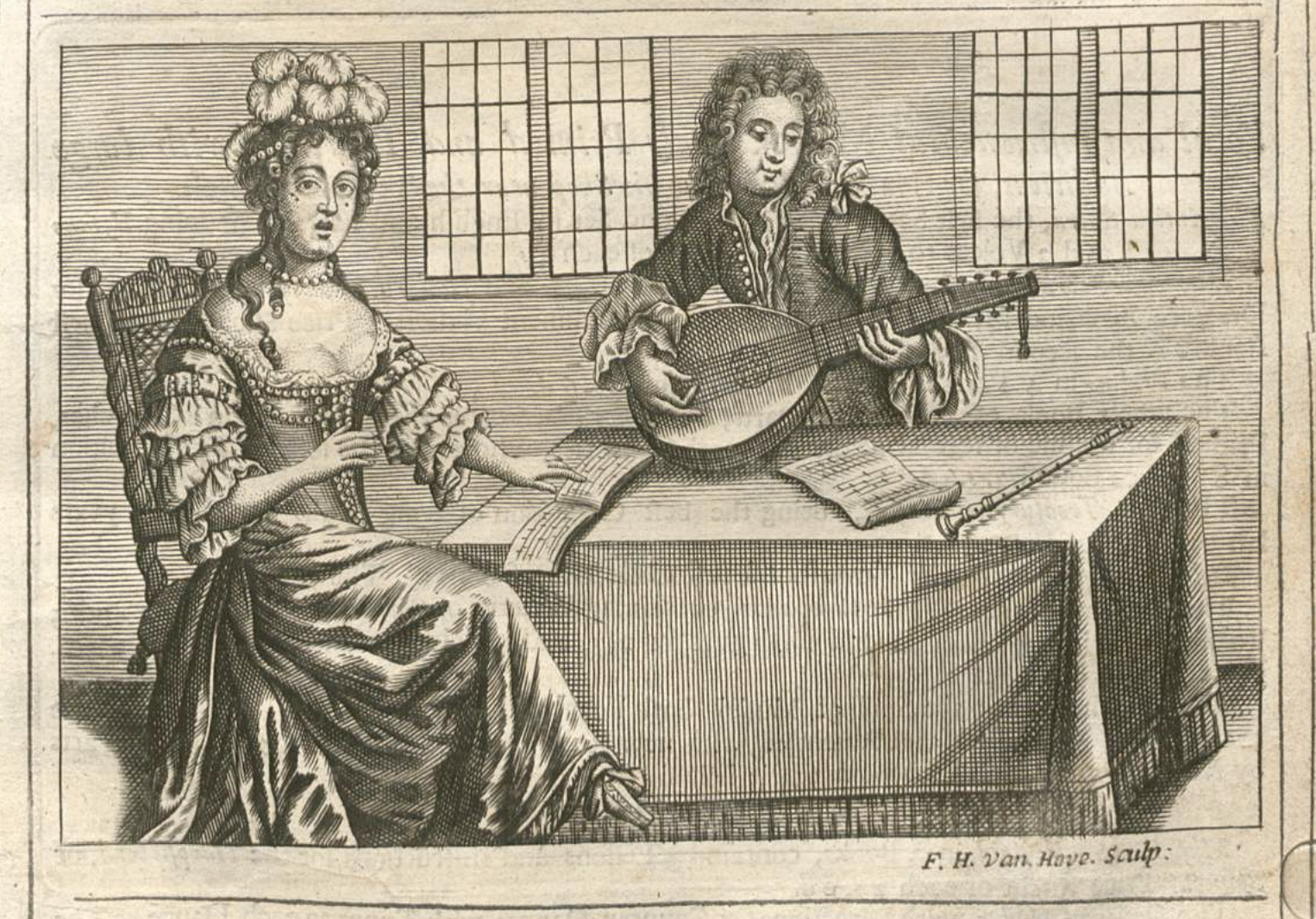
Portraying Madness: Anne Bracegirdle’s Journey in Restoration Theatre
Anne Bracegirdle (c. 1671-1748) was a famous actress of the late 17th and early 18th century, renowned for portraying virginal characters on stage, even as her offstage life was tinged with scandal and violence. Bracegirdle was known for singing mad songs, which were popular at the time and often the centerpiece of a play. She was so popular that playwrights and composers frequently created these songs specifically for her talents.
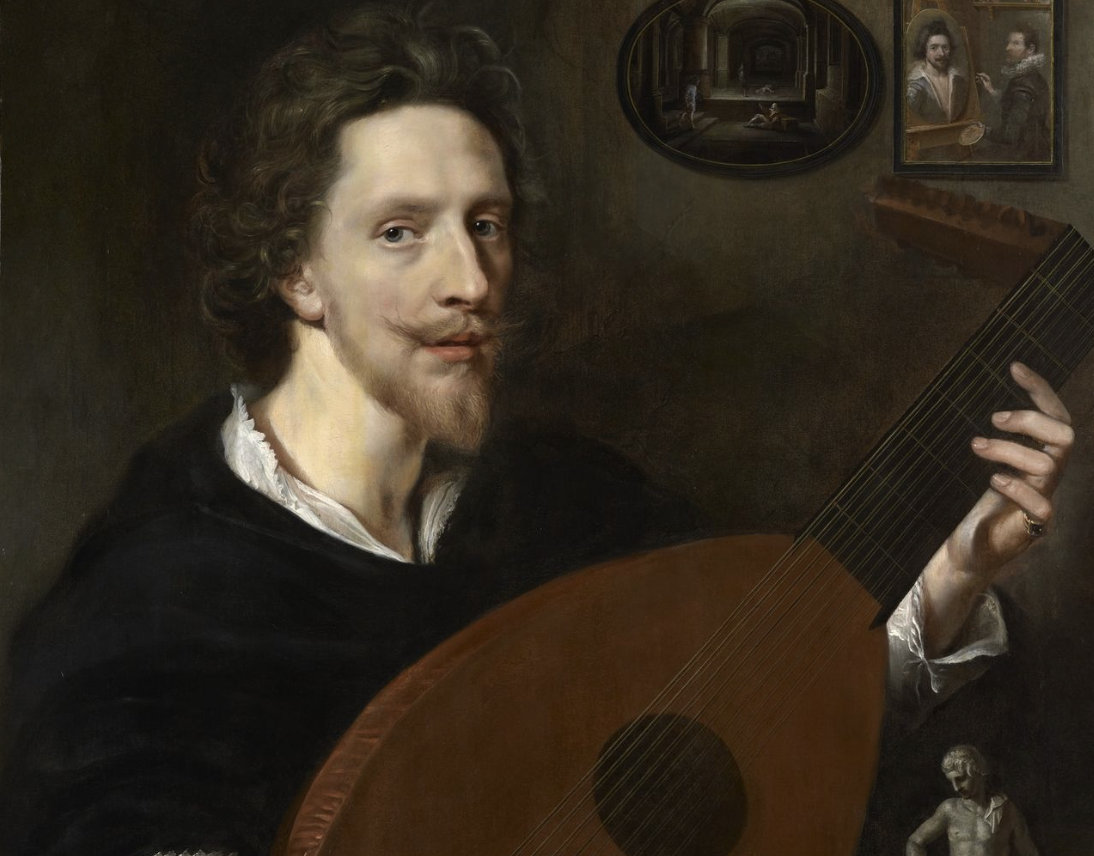
Nicholas Lanier and His Songs: Tradition and Innovation in 17th-Century English Music
Nicholas Lanier (1588–1666) was a central figure in 17th-century English music, renowned as a composer, singer, lutenist, and painter. A friend of prominent artists such as Rubens and Van Dyck, he was the first Master of the King’s Music under Charles I. Lanier introduced significant innovations to English music, notably influenced by Italian monody, while maintaining elements of the traditional Elizabethan style, creating a blend of innovation and tradition in his work.
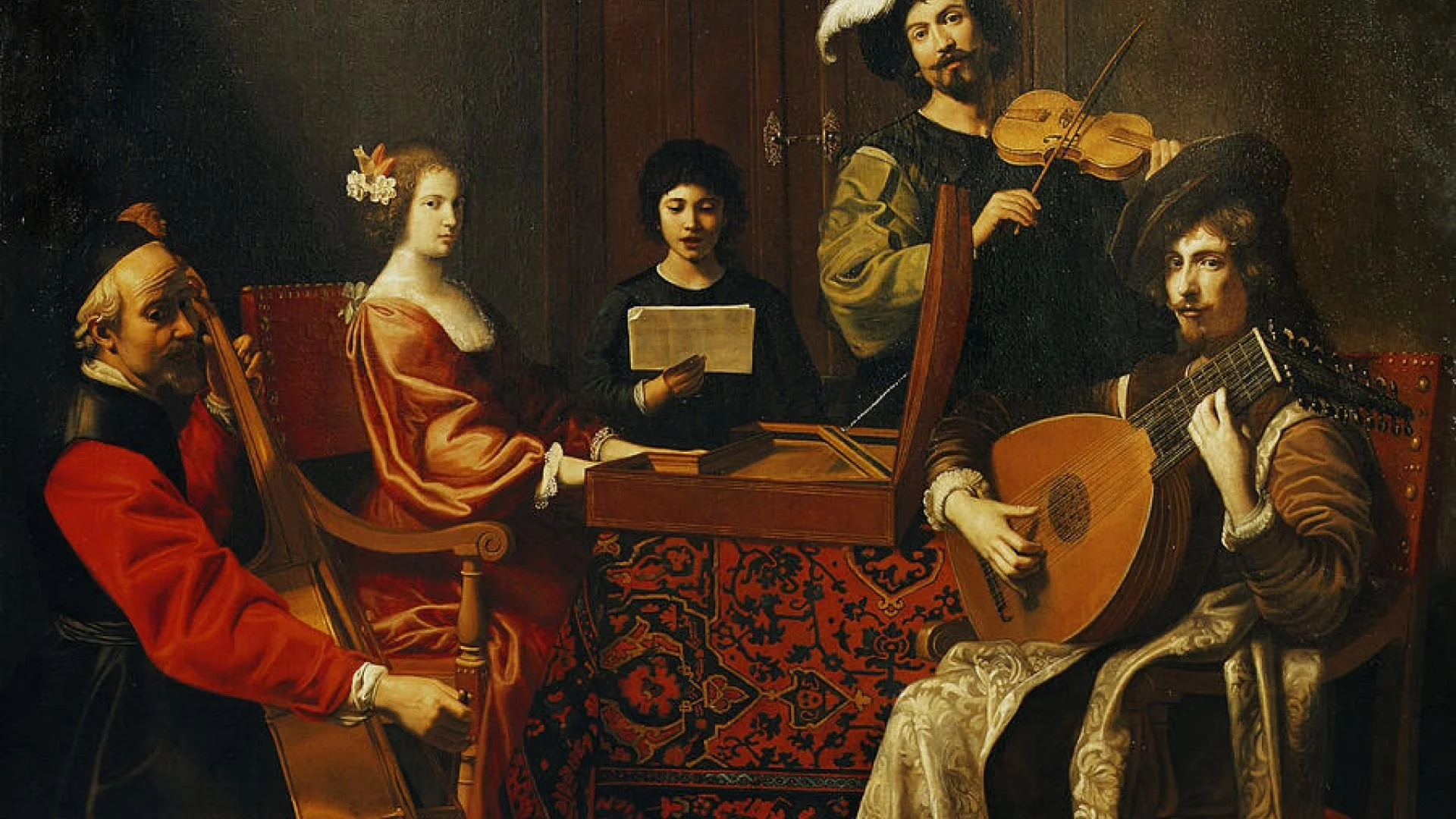
L’Air espagnol en France: Spanish Airs de Cour from 1578 to 1668
From the last decades of the 16th century through the mid-17th century, a fascinating blend of French and Spanish musical traditions emerged, with Spanish lyrics set to French airs, reflecting Spain's significant influence at the French court.
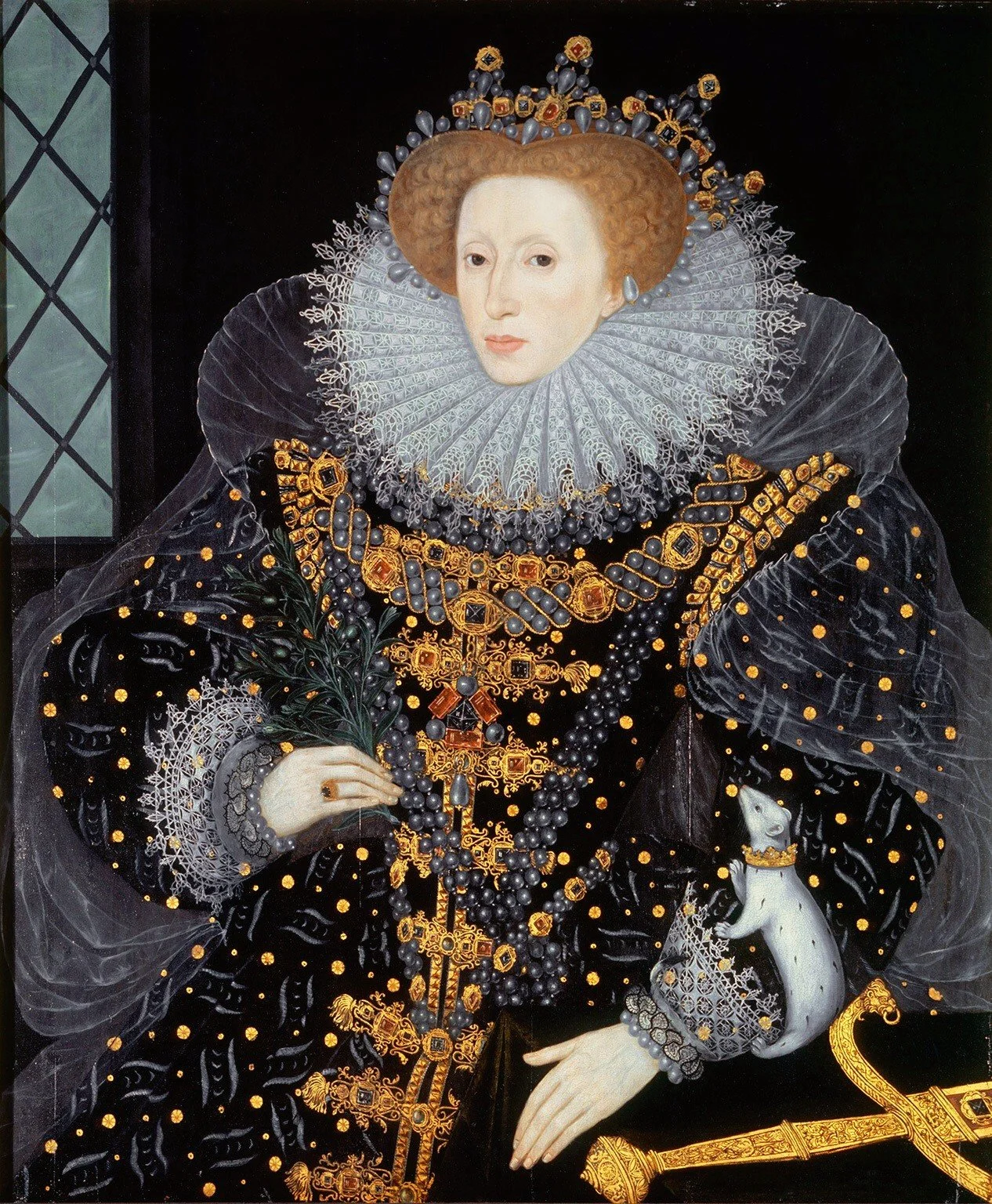
‘To Plead My Faith’: Passionate Anguish and Courtly Love for Elizabeth I
"To plead my faith," a sonnet written by Robert Devereux, Earl of Essex, captures his tumultuous relationship with Queen Elizabeth I. This poem, set to music by Daniel Batchelar, was published in Robert Dowland’s 1610 collection “A Musicall Banquet.” The British Library, Add. MS 24665, “Giles Earle's Book,” from 1615, contains a heavily embellished version of Batchelar's song.
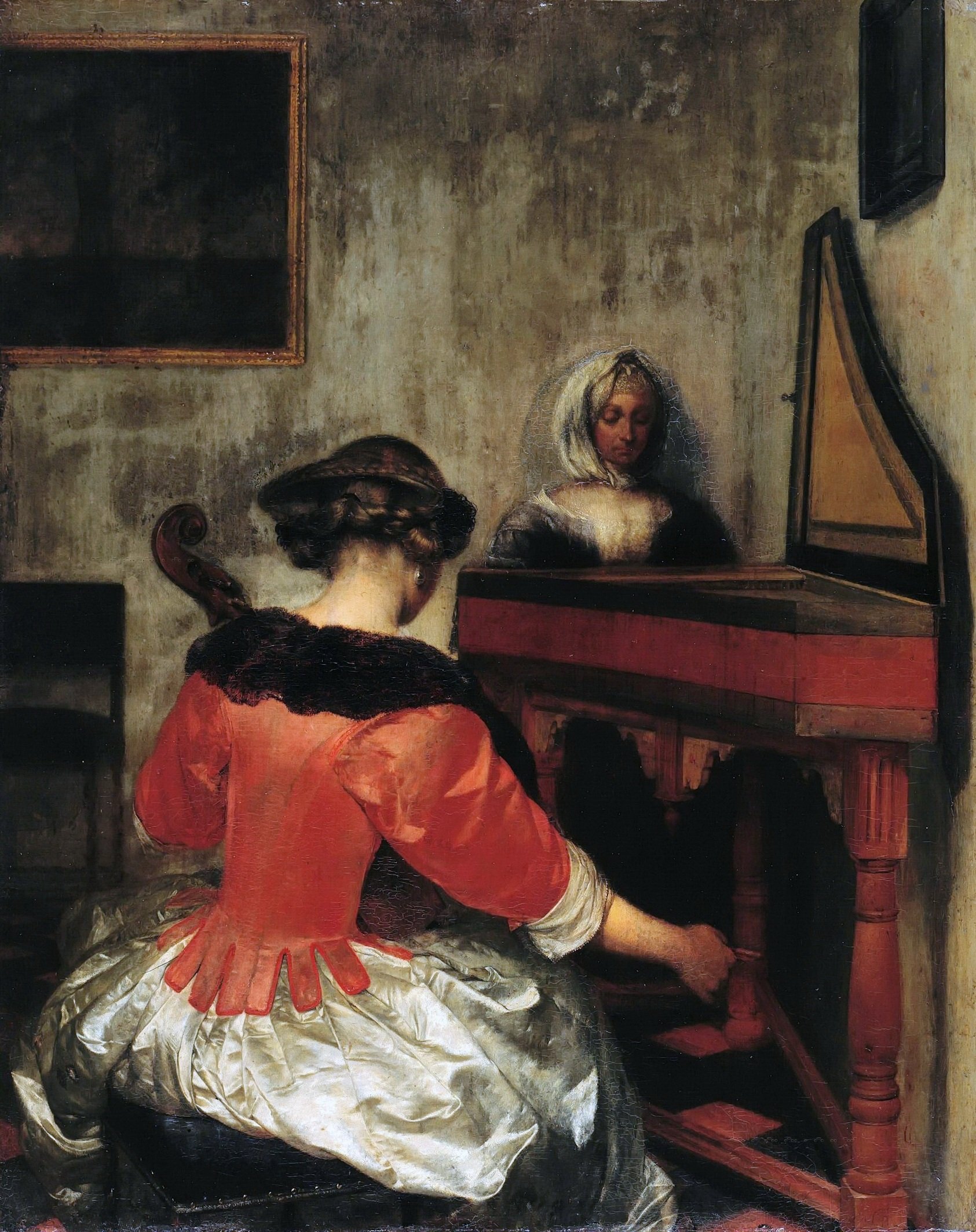
“Art thou that she than whom no fairer is?”: Three Versions from 17th Century Manuscript Sources
The anonymous song "Art thou that she" is found in a simple setting in British Library, Add. MS 24665. However, British Library, MS Egerton 2971 and Christ Church Library, MS Mus 439 feature settings with written-out embellishments.
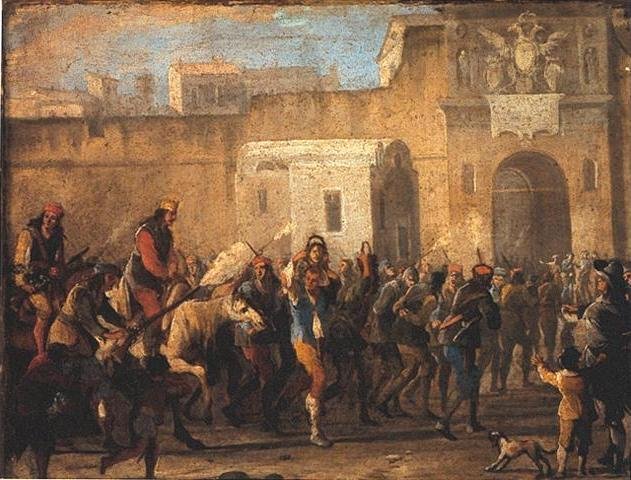
Correa l’ottavo giorno: Lamento di Marinetta moglie di Massaniello from I-Bc MS Q.47
In the seventeenth century, amid the backdrop of political turmoil in Naples, an interesting piece of music emerged known as "Lamento di Marinetta, moglie di Massaniello." This anonymous cantata, composed in the recitativo style with a text by Francesco Melosio, centers on the widow of Massaniello, a Neapolitan fishmonger who briefly led a 1647 anti-Spanish revolt.
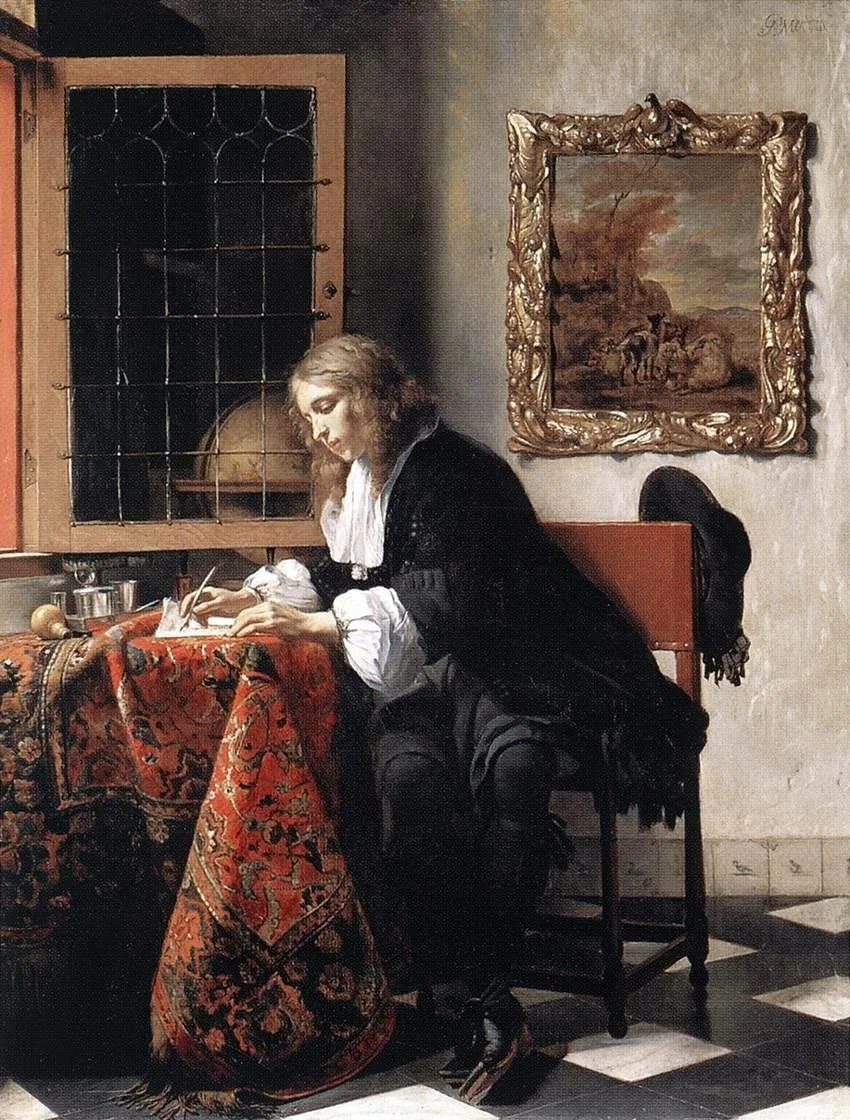
Love Letters in Music: Lettere Amorose from 17th Century Italy
The emergence of the love letter in music can be traced back to the development of monody, a vocal style characterized by a single vocal melody accompanied by a simple basso continuo, allowing for greater expressive freedom and highlighting the importance of text.

I-Bc MS Q.43: 17th Century Roman Lamentations for Holy Week
In seventeenth-century Rome, Holy Week witnessed the full variety of musical expression, from chant through polyphony to monody. The settings of the Lamentations of Jeremiah for performance during Holy Week were widely diffused throughout the Seicento, which saw the diffusion of the repertory at the height of the Catholic Reformation.
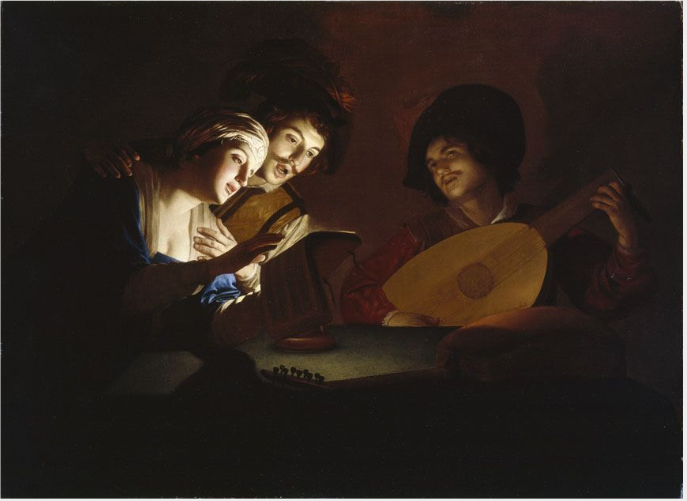
Egerton MS 2971: A Source of Ornamented Early Seventeenth-Century Italian and English Songs
British Library Egerton MS 2971 is an important source for the study of vocal ornamentation in early seventeenth-century England. Dating from the first quarter of the century, the manuscript contains English and Italian songs alongside music for lyra viol.

The British Library Add MS 11608: A Source of 17th-Century English Songs and Ornamentation
British Library Add MS 11608 is one of the most substantial surviving sources of mid-seventeenth-century English vocal music and an especially important witness to the practice of vocal ornamentation.
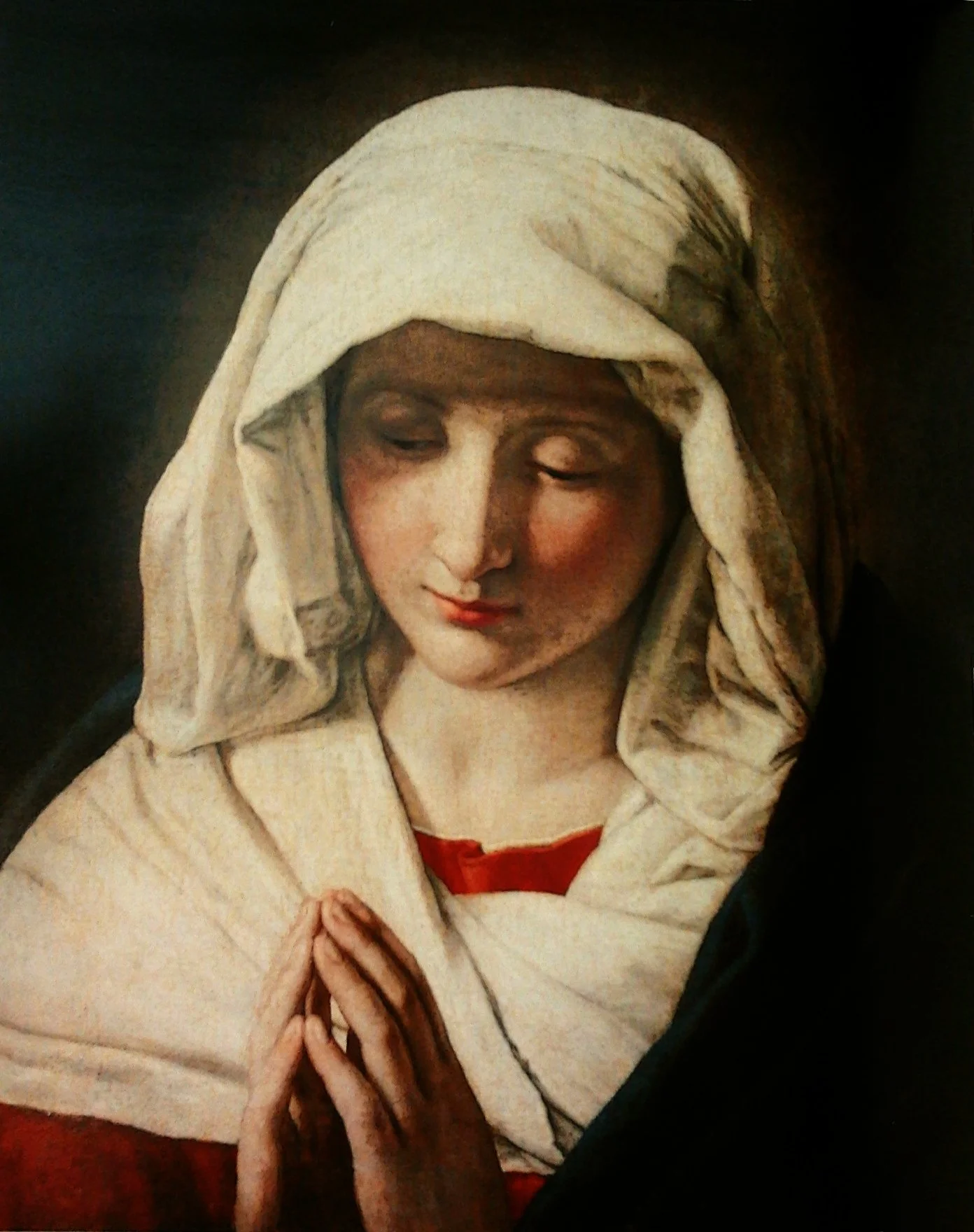
Depictions of the Virgin Mary in Italian Solo Song of the 17th Century
The Virgin Mary became an important subject in seventeenth-century Italian solo song, where composers gave musical voice to different aspects of her devotional identity. Some works praise Mary as intercessor and comforter; others present her as the mother of Christ, either singing to the infant Jesus or mourning him at the Crucifixion.
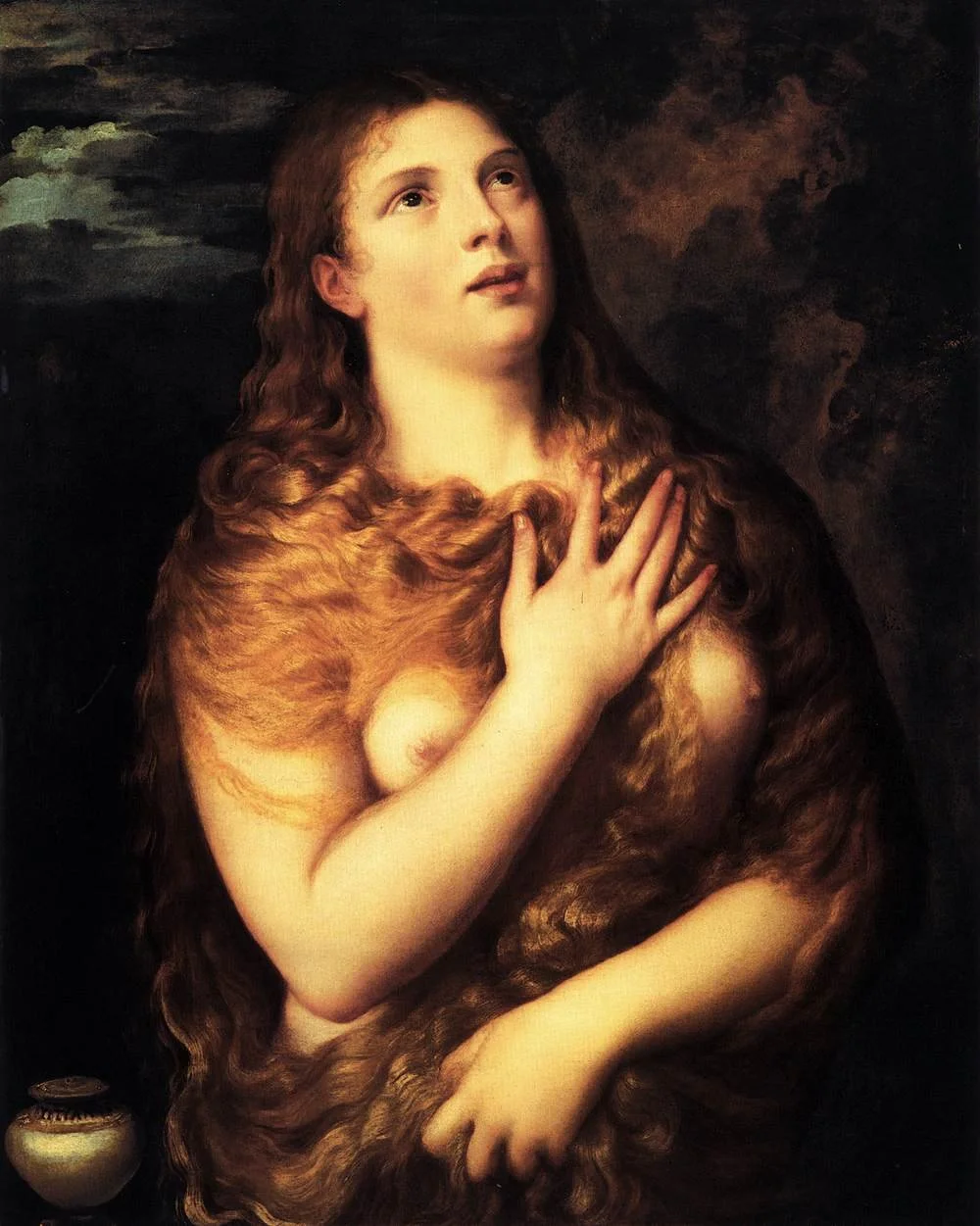
La bella peccatrice: 17th-Century Cantatas on Mary Magdalene
Mary Magdalene occupied a prominent place in seventeenth-century devotional literature and music. In the Western Christian tradition, her biblical identity had gradually become intertwined with those of Mary of Bethany and the unnamed sinful woman who anointed Christ’s feet, producing the familiar image of Magdalene as both repentant sinner and devoted follower of Christ.
Baroque Women Composers
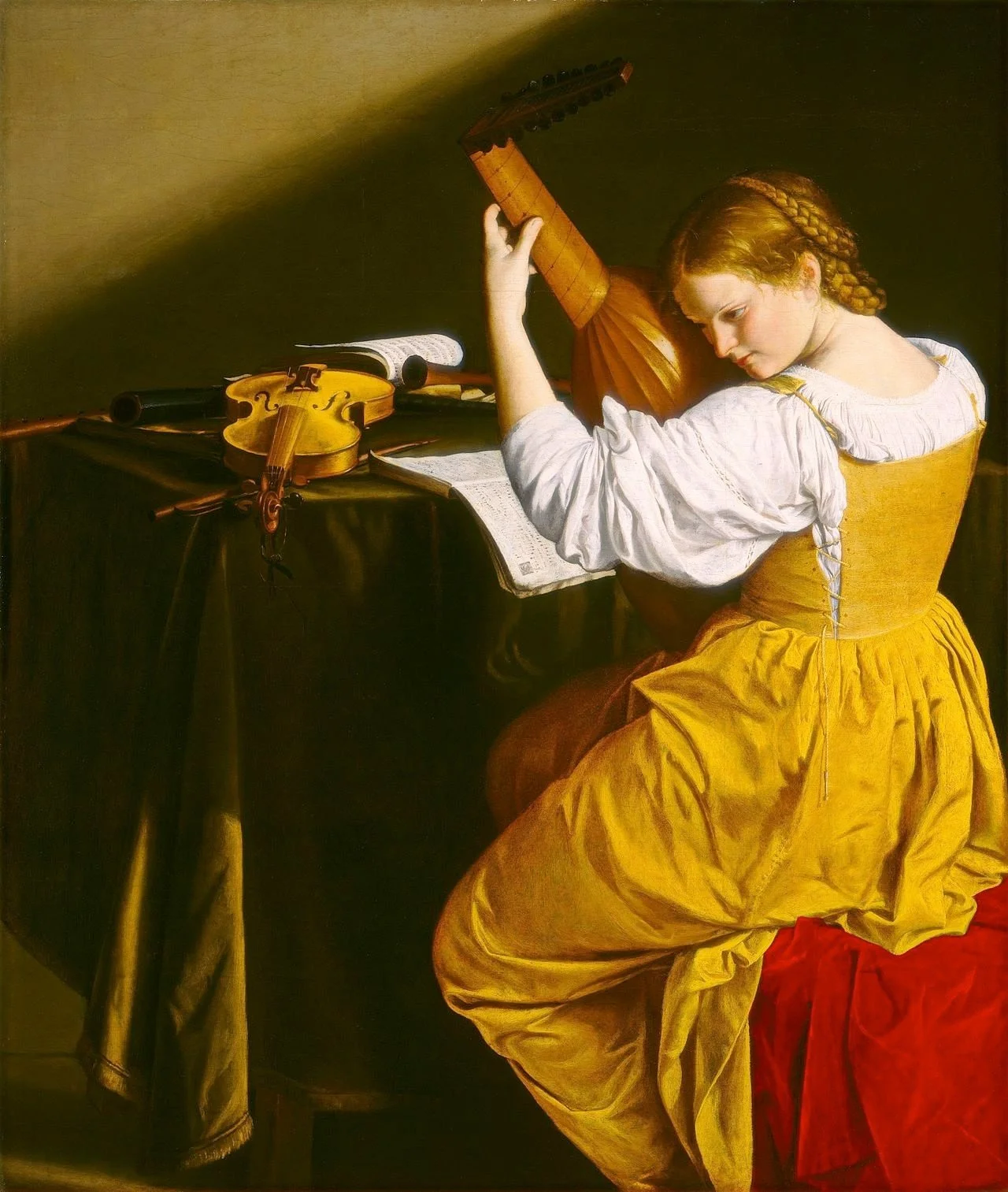
Women were active as composers across the diverse musical environments of seventeenth-century Europe. Some, such as Francesca Caccini, Barbara Strozzi, and Antonia Bembo, were closely connected with professional courtly or secular musical circles; others composed within convents, where music could form an important part of religious and cultural life.
English Mad Songs
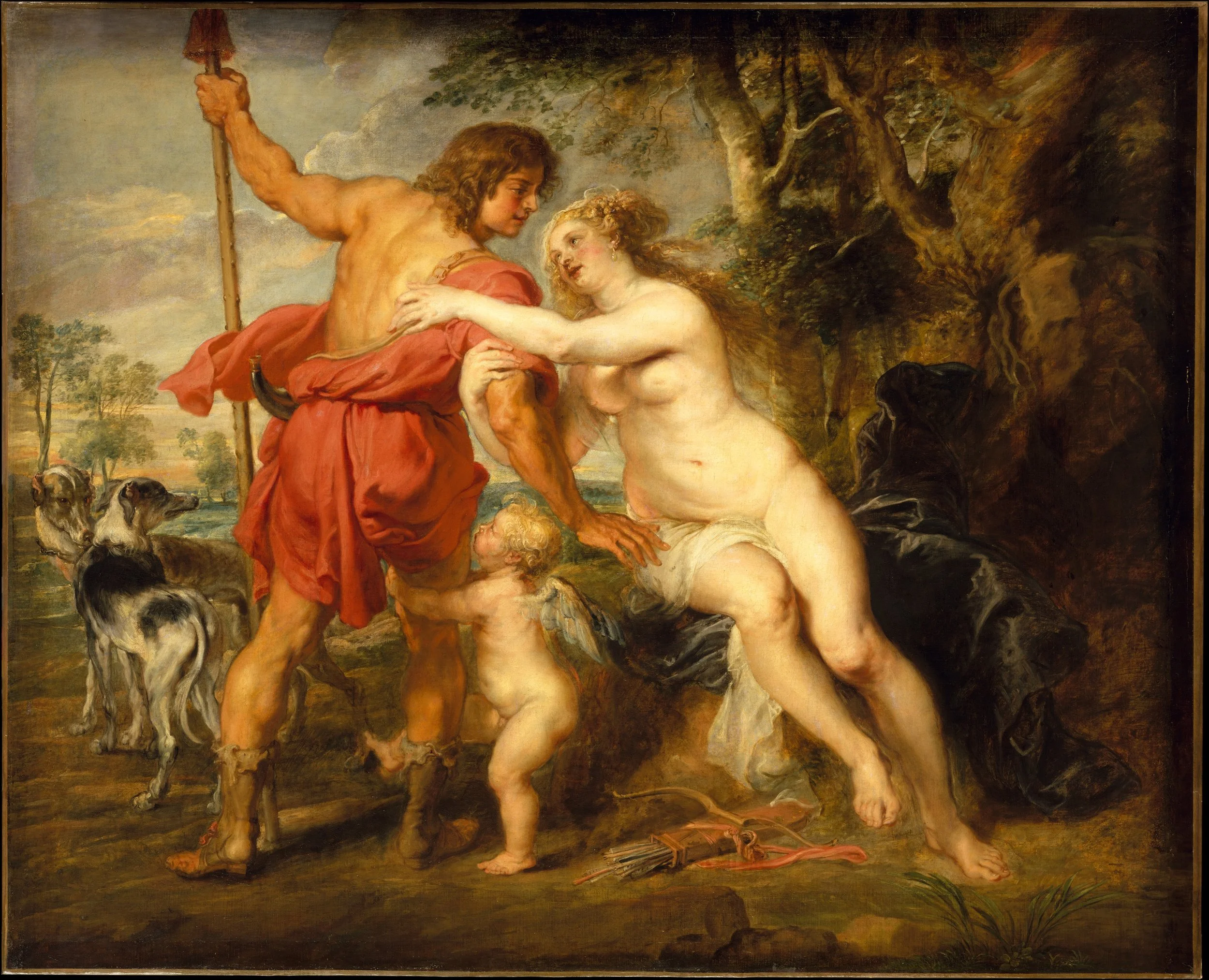
English mad songs developed from a longer tradition of representing madness in English ballads and theatre, but the genre flourished particularly on the Restoration stage in the later seventeenth century.
17th Century Italian Laments
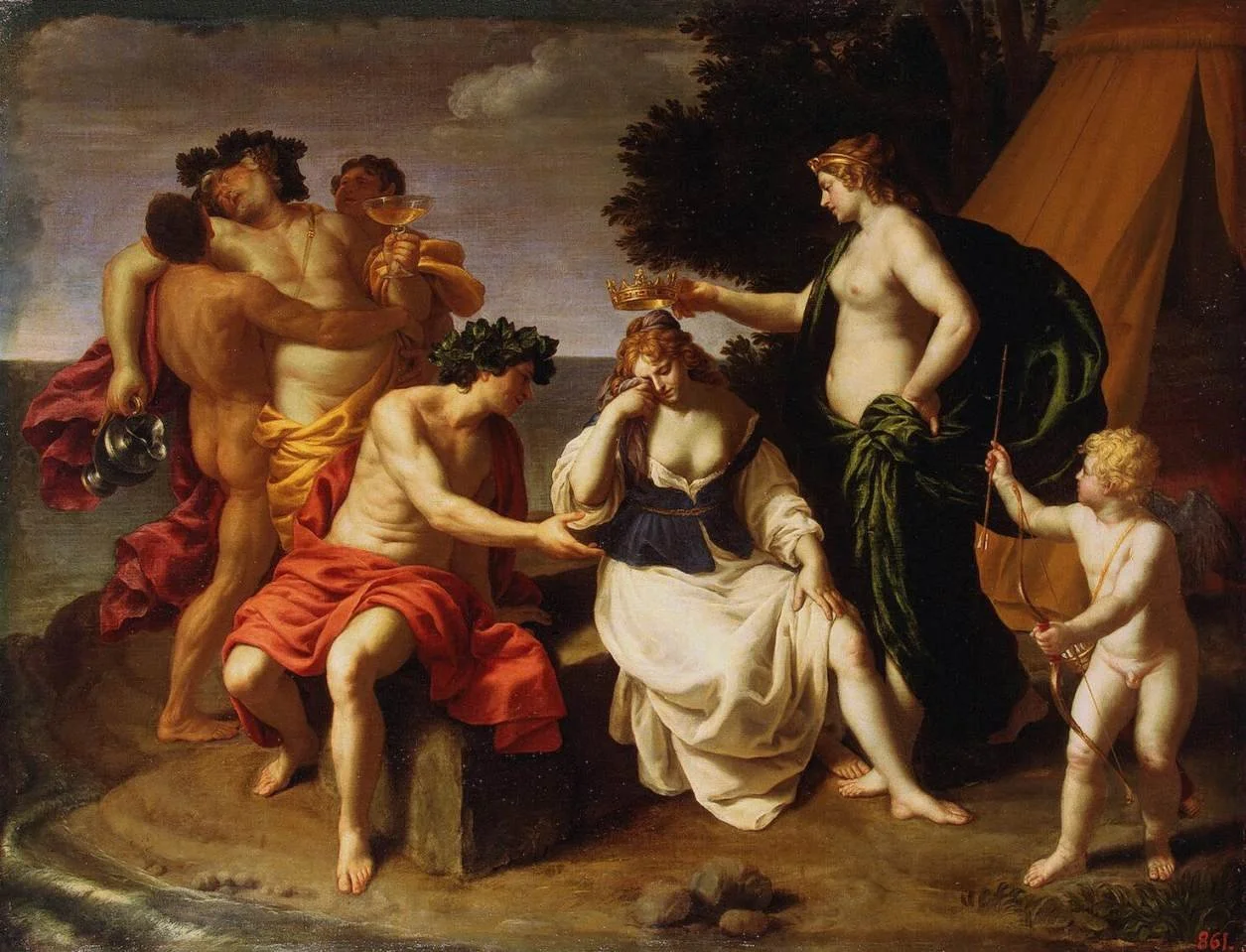
The lament became one of the most prominent vehicles for expressive solo song in seventeenth-century Italy. Closely associated with the development of monody and opera, it offered composers a flexible framework for representing grief, abandonment, anger, and despair.